Aeration tanks play an important role in wastewater treatment, facilitating activated sludge and waste decomposition. Discover the unique engineering of aeration tanks.
There are many different aspects to wastewater management, but one of the most important processes is aeration. It’s also one of the most technical aspects, where having the right equipment and processes is crucial. That’s where aeration tanks come into play.
Aeration tanks can look simple from a distance, but are actually carefully engineered to allow for total control and monitoring of the aeration process.
The Important Role of Aeration in Wastewater Management
While aeration tanks have various industrial uses, they are most commonly associated with wastewater treatment works.
Wastewater treatment is the process of turning water that has been contaminated back into clean water that can be returned to rivers and seas. It’s a multi-step process, beginning with rough filtration where the largest objects are removed, all the way down to eliminating the smallest bacteria.
Aeration plays a part in the latter stages of the wastewater treatment process. Here, air is cycled through sewage to help with the growth of various aerobic bacteria which feed off and decompose organic waste, a process known as activated sludge. Managing the level of oxygen in the wastewater is vital, as not getting it quite right can cause different bacteria to thrive, hampering the treatment process.
Once this process is completed, the water can be separated and move onto finer filtration, while the sludge is often eventually used as biosolids, an effective fertiliser thanks to its organic materials.
How Do Aeration Tanks Function?
An aeration tank is a crucial part of the activated sludge process. Often, wastewater sits in these tanks for several days while the aeration process happens.
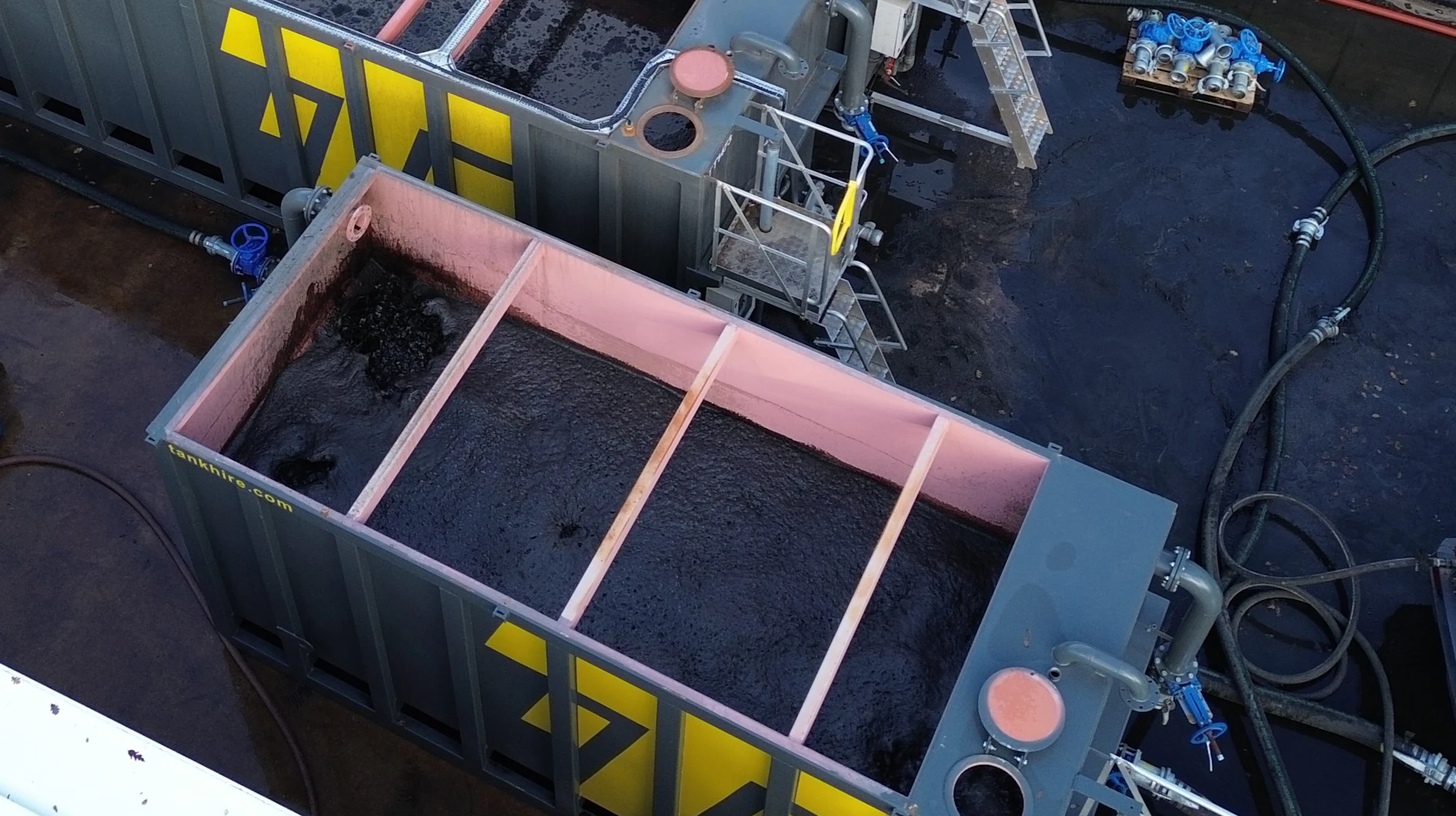
Aeration tanks come in all manner of shapes and sizes, from square temporary tanks like ours to giant circular tanks that dominate wastewater treatment plants. However, the basic premise is always the same: air is pumped into or through the water, which moves the waste around and helps facilitate the growth of aerobic bacteria.
Aeration tanks can introduce air in various ways. Some do it through diffused or bubble aeration, where pipes at the bottom of the tank produce air bubbles which pass through the water. Others do it through mechanical or surface aeration, where various pieces of equipment, such as mixers, paddle wheels and blades, sit on the surface and churn the wastewater to help mix it with air.
Many aeration tanks are open top to allow more air to work into the water, although some are covered and use air outlets to ensure the water still gets enough aeration.
A key part of aeration tanks is their monitoring and control systems, allowing for regular testing of things like pH levels and adjusting the air’s flow rate where necessary.
Why Choose TerraTank’s Aeration Tanks?
Aeration tanks are a crucial part of wastewater treatment, but they are also quite complex, meaning repairs and maintenance can be necessary. At TerraTank, we have extensive experience supporting wastewater treatment works with our specially-designed aeration tanks for hire.
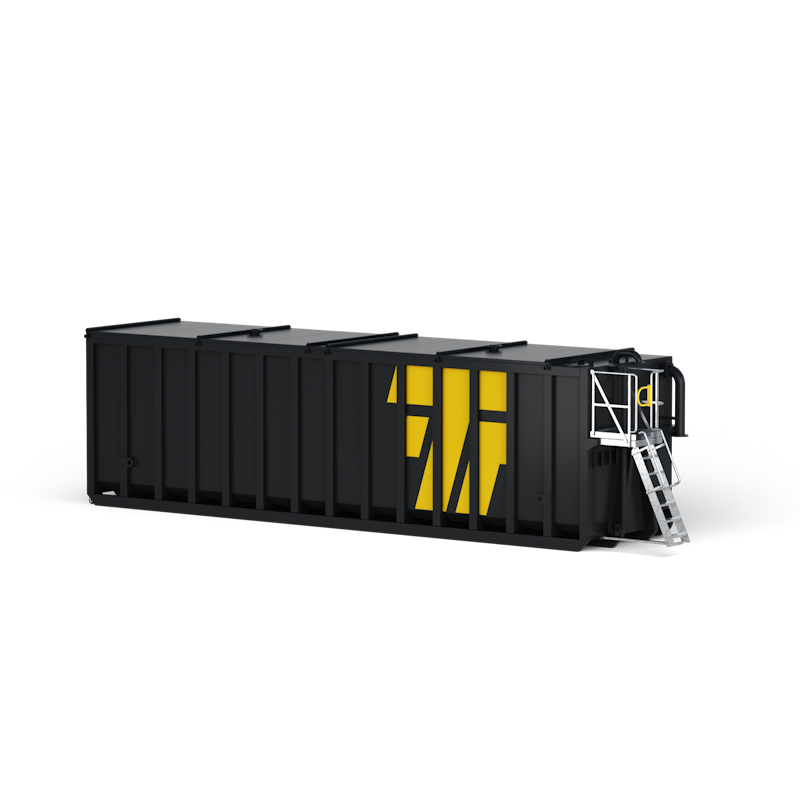
Our collection of modular rental tanks is designed to facilitate plug-and-play into existing systems, allowing you to divert processes and keep your site operational during repairs or maintenance. Our options include mixer tanks and tanks with aeration pipework, with high capacities to suit any environment.
Whether you need emergency cover for repairs or medium-term hire during high-demand periods, our high-capacity aeration tanks are ready to offer support. Simply speak to our team today to discuss how TerraTank can help with your project.
Explore our wastewater case studies to see our aeration tanks in action.

Speak to an expert
We have the solution you need available for hire.