Sludge settlement tanks play a crucial role in removing large solids from the wastewater treatment process. Discover TerraTank’s sludge holding solutions.
Managing sludge is a big part of the wastewater treatment process. Not only does it play a crucial role in the efficiency of water treatment, but treated sludge itself can prove a useful by-product in industries such as agriculture, further reducing the waste footprint of treatment plants.
At TerraTank, we’ve worked with countless wastewater treatment plants, providing tanks for various stages of the treatment process. Here, we’re talking through the crucial role of sludge holding tanks and how specialised features can help make sludge storage more efficient.
What is a Sludge Settlement Tank?
Sludge settlement tanks (or holding tanks) can come in various forms and appear at different stages in the treatment process. Still, they all perform the same simple, vital task – separating sludge from wastewater before both move on for separate treatment.
In most treatment plants, sludge settlement takes place early on in the treatment process, helping to remove most major solids before the water goes off for further treatment.
These tanks are often called settlement tanks because of how they separate sludge solids. Put simply, wastewater is pumped into the tank, and the denser sludge settles at the bottom while the water flows back out through a pipe at the top.
Some sludge holding tanks will come with different features depending on the nature of the waste. For example, weirs may be used at the top or bottom of the tank to further prevent sludge from passing through. Some settlement tanks will also use more advanced filtration, although this is usually saved for later stages in the treatment process.
What is the Purpose of Sludge Holding Tanks?
The most important benefit of settlement tanks is that they reduce the load on the rest of the wastewater treatment process.
Wastewater treatment at its simplest consists of various stages where increasingly small impurities are removed. By removing large suspended solids early on in the process, the subsequent treatment processes, focused on smaller bacteria and pathogens, can be completed quicker and more efficiently.
Sludge holding tanks can also provide other benefits to wastewater treatment plants, such as:
- Sludge thickening – Gravity pushes the sludge down, creating a thicker sludge and reducing overall waste volume.
- Storage – The thickened sludge can be efficiently stored in the tanks ahead of removal or further processing.
TerraTank’s Sludge Storage Solutions
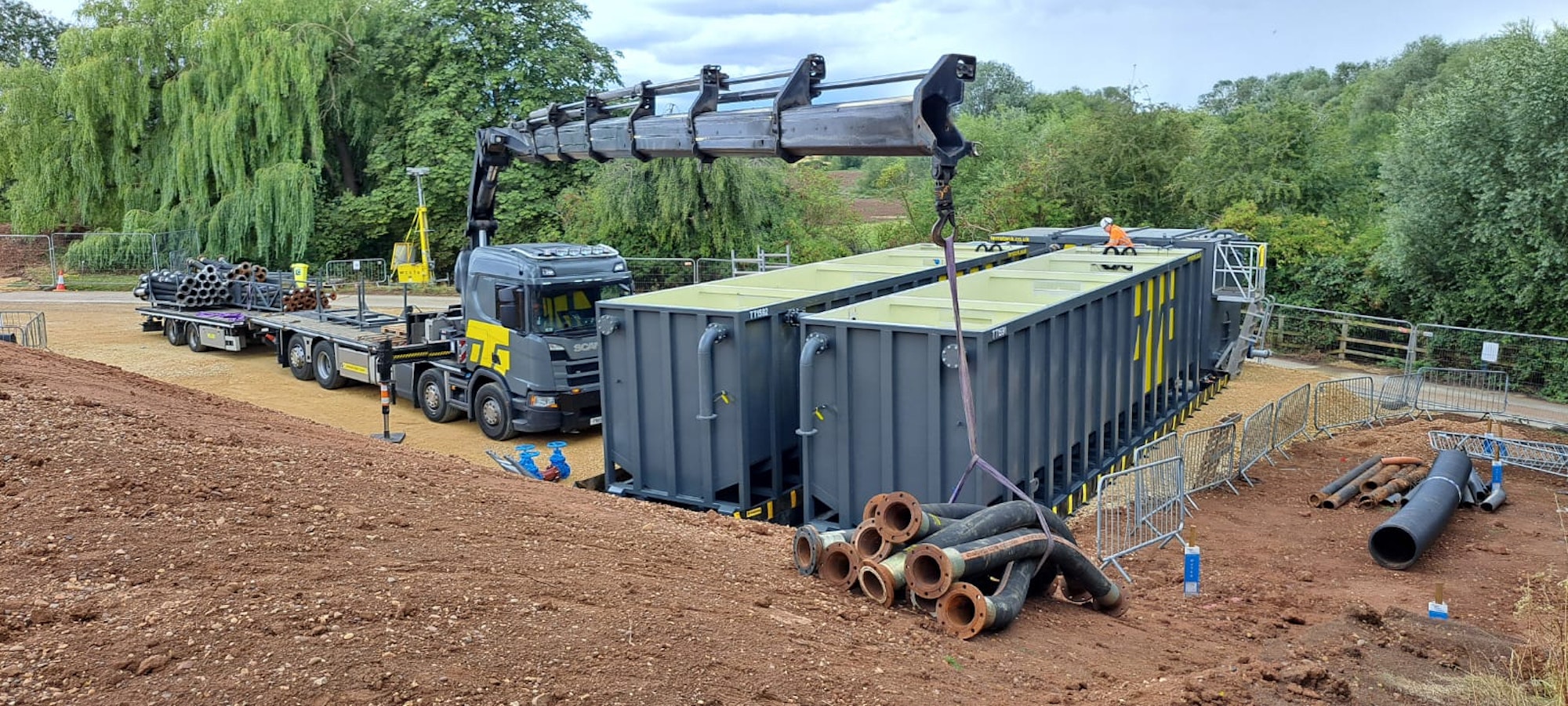
Here at TerraTank, we have over 20 years of experience in supplying specialist liquid storage tanks for various industries, including wastewater treatment. We’ve worked with major sewage treatment works to supply various solutions, including providing temporary sludge storage to Severn Trent’s Bidford-on-Avon Sewage Treatment Works.
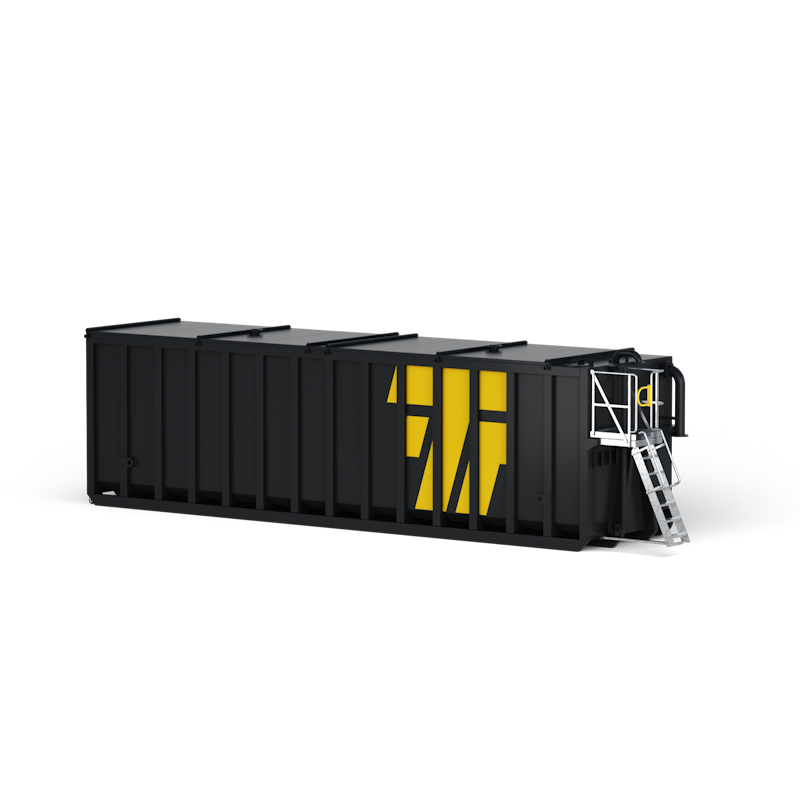
We have a range of sludge storage solutions to suit different needs, including our TT60 Settlement Weir Tank, which comes with a range of specialist features designed to ensure clean, efficient handling of liquid solids:
- Modular Design – Square design to minimise footprint, while plug-and-play connections allow you to scale storage as needed.
- Low-Level Access – Floor connections and sampling access ensure efficient sludge monitoring and removal when required.
- Sloped Floor – V-shaped bottom allows for efficient discharge and easier cleaning.
With over 15 million litres of liquid storage capacity available, and a team experienced in wastewater treatment projects, TerraTank stands ready to respond to any requirements with a flexible, product-led approach. Speak to us today, and we’ll help you find the best solution for your needs.

Speak to an expert
We have the solution you need available for hire.