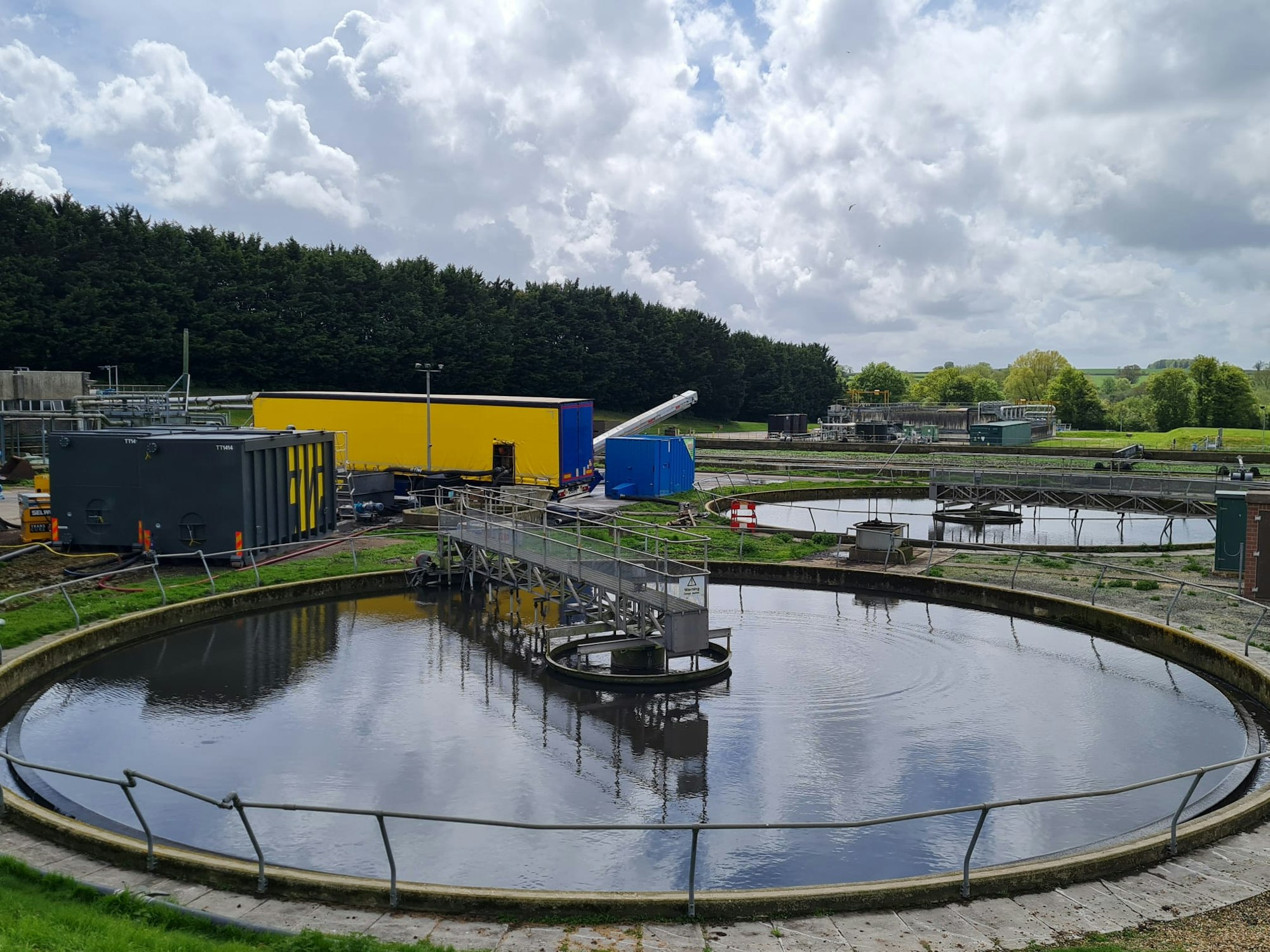
All sewage and wastewater must be adequately managed to avoid environmental harm and large penalties. Learn about the rules on managing sludge in the UK.
As environmental protection becomes an increasingly important issue for both the UK government and the general public, the importance of proper waste management solutions grows larger. Sludge storage has become a crucial issue for all wastewater companies in recent years, and having the right systems in place is crucial for avoiding heavy fines.
TerraTank has worked on a range of wastewater storage projects for companies, including treatment plants, water works and hospitality businesses. Whether you need short-term emergency support or cover for an upcoming project, our sewage storage tanks can help you stay in-line with regulations and help support a sustainable environment.
If you’re unsure about what your obligations are regarding sludge storage, this guide provides a basic overview of the key points and potential penalties. This blog does not constitute legal advice, and we recommend you do your own research through the Environment Agency if you have specific concerns.
What is Sludge?
In this context, sludge is defined by The Sludge (Use in Agriculture) Regulations 1989 (or SUiAR) as:
“residual sludge from sewage plants treating domestic or urban waste waters and from other sewage plants treating waste waters of a composition similar to domestic and urban waste waters.”
Sludge is a by-product of the wastewater treatment process that is formed when liquid sewage is separated, leaving semi-solids behind. Sometimes the terms ‘biosolids’ or ‘bioresources’ are also used, as this sludge contains high levels of organic matter and nutrients.
Sludge storage is primarily the concern of wastewater treatment plants, which are tasked with managing high levels of sewage 24 hours a day, 7 days a week. However, it can also become a concern for other businesses that may have to store and treat sewage, such as:
- Holiday parks and camping sites.
- Construction sites.
- Festivals and showgrounds.
- Public spaces and attractions.
How Sludge Can Be Effectively Managed
Wastewater management companies will often be responsible for the storage and treatment of their sludge. For companies using independent sewage systems, such as holiday parks or other hospitality businesses, this is sometimes the responsibility of a hired waste management company.
If your business manages wastewater or sewage, you are responsible for ensuring it is carefully stored and disposed of. However, there are a few different ways in which this can be achieved while remaining within regulations.
By far the most common way of dealing with sludge is by using it as a soil conditioner for agriculture. Because sludge contains high levels of organic matter, it can make for an effective fertiliser. However, because it can also contain high levels of pathogens and chemicals, it must be properly treated first. There are also strict rules in terms of when sludge can be used as fertiliser, particularly around the length of time between application and harvesting of crops.
If sludge cannot be effectively treated, it can be disposed of in other ways, such as through incineration or landfill. Failure to properly dispose of sludge – often caused by releasing it into the environment before it is fully treated – can cause environmental damage and lead to penalties.
How Inadequate Sludge Storage is Penalised
Most water and waste treatment organisations have procedures in place that allow them to handle large quantities of sewage and sludge throughout the treatment process, in line with environmental regulations. However, incidents can happen that cause untreated sludge to enter the environment, such as overflows at treatment plants during heavy rainfall or faults with storage systems.
The unauthorised or harmful deposit, treatment or disposal of waste is a crime under section 33 of the Environmental Protection Act 1990 (EPA 1990) in England and Wales, which covers everything from flytipping to large-scale waste disposal without a permit. According to the Sentencing Council, it can carry a potentially unlimited fine, although it often falls between £100 and £3 million per incident. The size of each fine depends on two main factors:
- Culpability: whether it was a deliberate offence or an accident.
- Harm: How much harm the incident caused, grouped into categories from 1 (major damage) to 4 (the risk of minor damage).
The potential fine also takes into account factors such as the organisation’s financial information to ensure it offers an adequate deterrence while also removing any potential financial gain from not following regulations (such as the money saved by not employing rigorous enough systems).
TerraTank Solutions to Support Safe Sludge Storage
Many companies in the wastewater industry receive numerous fines throughout the year, often due to spills caused by not having enough storage in high-demand scenarios. Some also receive fines when damage occurs to existing sewage systems or during emergency repairs.
At TerraTank, we’ve supported companies across the wastewater sector with our effluent tanks. Our high-capacity storage tanks have been used in a wide range of circumstances to help businesses stay within regulations and avoid costly fines, including:
- Temporary sludge storage during repairs and maintenance.
- Buffer storage during high-demand periods.
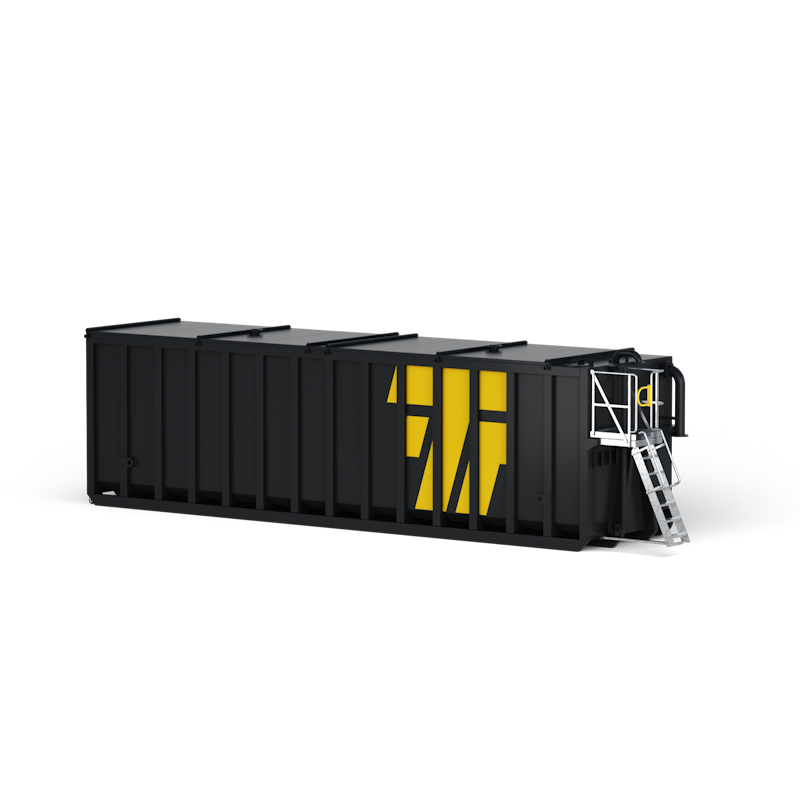
TerraTank specialises in high-speed mobilisation, with roll-on-roll-off modular tanks that can be deployed across various sites. With 100,000s of litres worth of capacity ready to be deployed, we can support even the biggest sewage treatment projects.
Want to learn more about how TerraTank can support your sludge storage requirements? Speak to our experts today and we’ll find the right solution for your needs.

Speak to an expert
We have the solution you need available for hire.