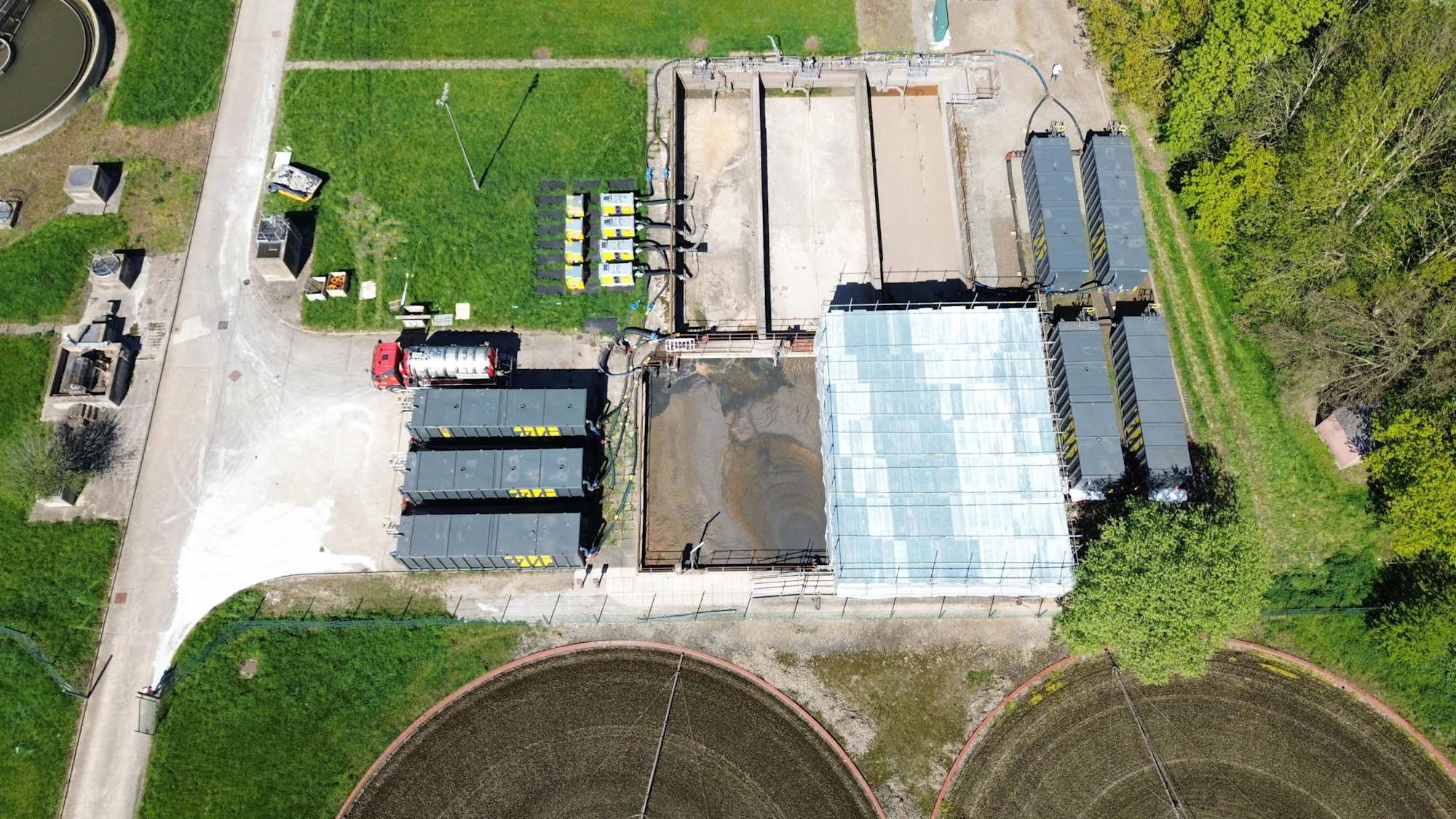
Reducing storm overflows requires a range of infrastructure investments and unique solutions, from using nature to investing in storm tanks.
Storm overflows are one of the most pressing issues for wastewater companies across the UK. With mounting public awareness and pressure to minimise sewage discharges into public waterways, it is an issue that requires unique solutions and substantial investment to solve.
While solving storm overflows is a complex problem that no single sewage plant or water provider can fix, there are solutions big and small, from infrastructure investment to stormwater holding tanks, that can help companies take steps to minimise the issue and restore public confidence in the sector.
Analysing the Storm Overflows Problem
Storm overflows are a result of the Victorian sewage infrastructure used throughout the UK (and similar systems in other countries worldwide).
In the UK, both sewage and drainage use the same underground pipes, meaning rainwater and other roadside runoffs mix with raw sewage before reaching treatment plants. As a result, during storms or heavy rainfall, sewage systems can get overwhelmed by the total volume of water they receive.
To avoid sewage backing up into homes and businesses during these moments, there is a system of emergency overflow pipes that allows wastewater to be released into rivers and seas until a manageable volume is restored. However, a multitude of issues – including increased rainfall due to climate change and a growing population – mean that demand on the sewage system is increasing, which is leading to increased use of storm overflows.
While storm overflows are better than sewage-based flooding affecting people’s homes and streets, it also causes a lot of damage to the natural environment and places that people equally love and cherish. All stakeholders, from government and water companies to local communities, recognise that the current level of storm overflows is unsustainable and cannot continue.
Short & Long-Term Solutions to Storm Overflows
Because storm overflows are predominantly caused by the UK’s central sewage infrastructure, eliminating the issue would require an incredible amount of infrastructure investment. As a result, all stakeholders are looking at inventive long-term and short-term wastewater solutions to minimise storm overflows.
While there are many unique possible solutions to storm overflows, most of the main ideas around today can be put into two categories:
- Nature-Based Rainwater Solutions
- Increased Stormwater Storage
Utilising Nature to Minimise Storm Overflows
Water is a crucial natural resource, and many groups, including water companies during summer droughts, suggest that we need more of it in our natural environment.
When rainwater falls on built-up land (such as streets and homes), it runs off into drains, at which point it is usually combined with sewage and becomes unsuitable for the natural environment until it passes through a treatment plant.
In the UK Government’s Storm Overflows Discharge Reduction Plan (2023), nature-based solutions to dealing with the issue of rainwater runoff are highlighted as a key part of the strategy to reduce the need for overflows:
“We expect water companies to prioritise a natural capital approach, considering carbon reduction and biodiversity net gain, as well as catchment-level and nature-based solutions in their planning.”
One example given in the Government’s report is ensuring that surface water is diverted away from sewage systems towards water gardens and wetlands. Not only would this reduce demand on the sewage system, but wetlands also act as a carbon sink, further benefiting people and the environment.
The Role of Storm Balancing Tanks
One of the problems with the nature-based approach to storm overflows is that it will require a lot of time and investment. With storm overflows being a pressing issue today, stakeholders are also looking for immediate, short-term solutions.
One of the most popular short-term investments for sewage companies is storm balancing tanks, also known as detention tanks. These large tanks are designed to store stormwater overflows at sewage treatment sites when the treatment infrastructure cannot handle the level of demand. Then, during lower-demand periods such as dry weather, storm balancing tanks empty into the sewage system to be treated.
While not addressing the root causes of storm overflows, balancing tanks provide a crucial stopgap to avoid such reliance on discharging sewage into public waters. Combined with similar styles of tank, such as sludge holding tanks (which hold sludge during the treatment process at times of excess demand), sewage treatment plants can find quick solutions to minimise their overflows.
At TerraTank, we’ve worked extensively with sewage treatment plants, providing quick, plug-and-play solutions to a range of issues. Whether you need excess capacity during peak times or additional storage for maintenance works, our experienced team will help you find the right solution from our extensive range of liquid storage tanks.

Speak to an expert
We have the solution you need available for hire.